

Mailchimp vs Klaviyo for Startups in 2026
Choosing between Mailchimp ($500 in credits) and Klaviyo (Free Plan) for your startup? This side-by-side comparison covers features, startup deals, pricing, and which tool fits your stack, with verified deals you can claim through SaaSOffers.
Quick Answer
Mailchimp offers $500 in credits and is best for startups needing marketing & growth. Klaviyo offers Free Plan and is best for marketing & growth. Mailchimp provides a higher-value startup deal, but Klaviyo may be the better fit depending on your stack. You can claim both through SaaSOffers, there are no restrictions on using multiple startup deals.

Mailchimp
Email marketing and automation platform, free credits to build your audience and convert subscribers to customers.

Klaviyo
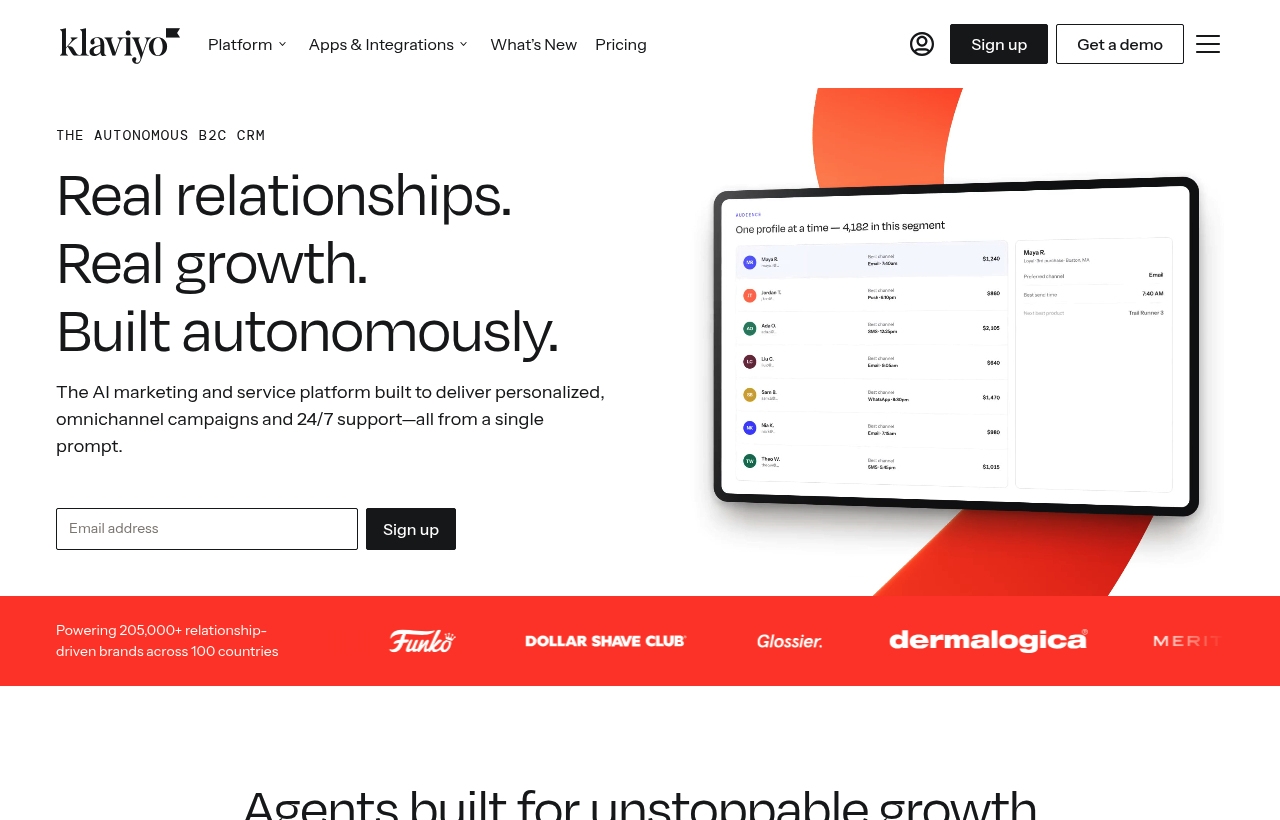
Get the Klaviyo Free Plan, the email and SMS marketing platform that powers most of the top Shopify stores, with deep ecommerce data, predictive analytics, and pre-built revenue flows.
What Is Mailchimp?
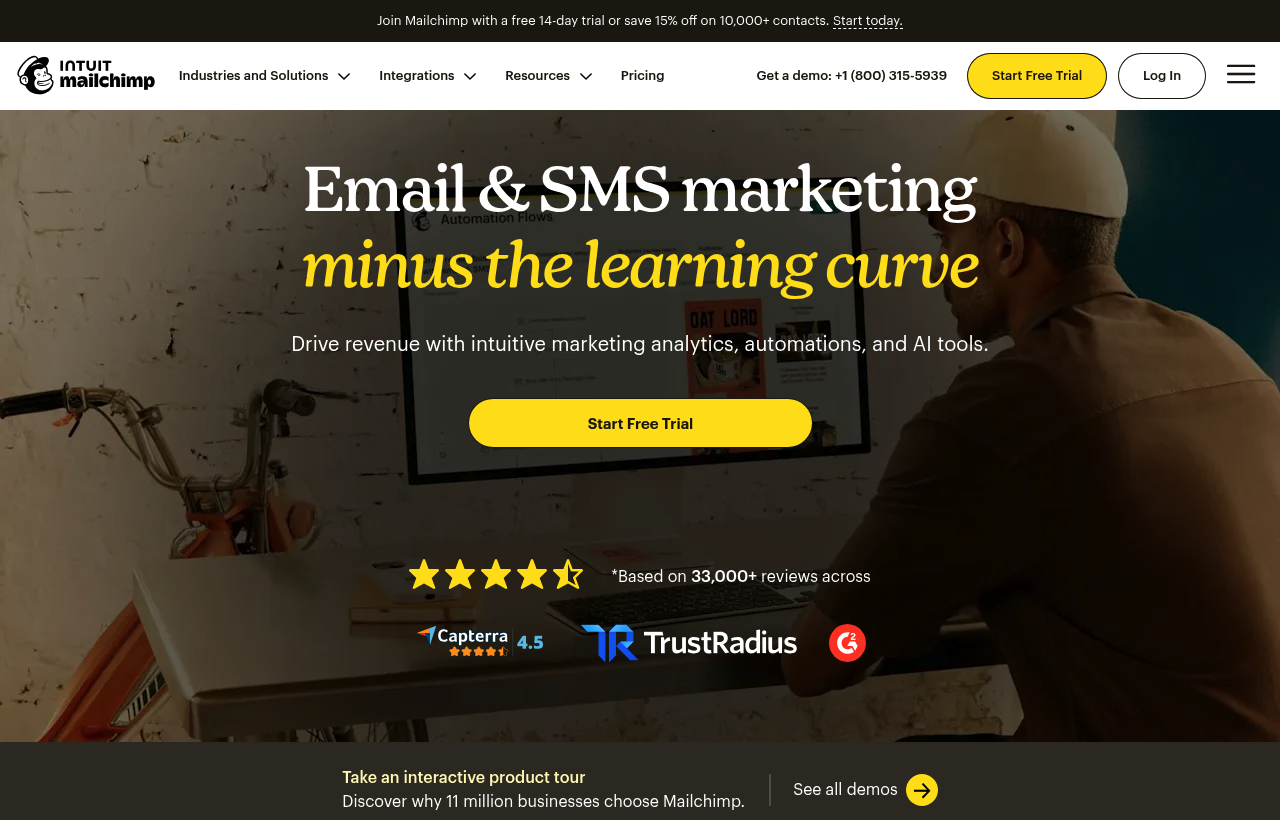
Mailchimp is an email marketing and automation platform built for small and mid-sized businesses. It handles list management, campaign design, automated sequences, landing pages, forms, and reporting. Over the last few years it has expanded beyond email into a broader marketing suite with SMS, social posting, and a basic CRM, following its acquisition by Intuit.
For a startup, the appeal is speed. You can import a list, drag together a decent-looking campaign, and send it the same afternoon with no developer involved. The template library and the editor remain the best in the category for non-designers. That accessibility is why Mailchimp still owns the default position in early-stage marketing stacks despite heavy competition on price.
What Is Klaviyo?
*Klaviyo, one of the tools included in this startup deal.*
Mailchimp vs Klaviyo, Detailed Comparison
What's Included in Each Startup Deal
Here is exactly what you get when claiming each deal through SaaSOffers:
MMailchimp
- $500 in Mailchimp credits
- Email marketing campaigns
- Marketing automation workflows
- Landing pages and signup forms
- Audience segmentation and analytics
KKlaviyo
- Benefits details available on the deal page
The choice between Mailchimp and Klaviyo comes down to one structural question: is your business primarily ecommerce, or not?
Mailchimp built its dominant position on small-business email marketing, newsletters, simple automations, and the most generous free tier in the category. Klaviyo built its position on ecommerce data depth, predictive lifetime value, browse behavior, product-level segmentation, and a Shopify integration that quietly powers most top DTC brands. Both are credible, polished platforms used by hundreds of thousands of teams. The question is which one fits your specific use case best.
Here is the honest, bias-free comparison.
Side-by-Side Scoring Matrix
| Dimension | Mailchimp | Klaviyo |
|---|---|---|
| Free tier | Up to 500 contacts, 1,000 sends/month | Up to 250 contacts, 500 sends/month |
| Ecommerce data depth | Limited | Excellent (purpose-built) |
| Shopify integration | Improved (post-2023 reactivation) | Deep, native, the default |
| BigCommerce / WooCommerce | Decent | Strong |
| SMS in same platform | Limited | Yes (full-featured, native) |
| Predictive analytics | Limited | Built-in (CLV, churn, gender, next order) |
| Pre-built ecommerce flows | Generic Customer Journey templates | 50+ ecommerce-specific flows |
| AI features | Some (intuit-Mailchimp Intelligence) | Klaviyo AI (subject lines, content, segments) |
| Deliverability | Strong | Strong |
| Pricing positioning | Volume entry-level | Mid-to-premium |
| Best fit | General email + light ecommerce | Serious ecommerce, especially Shopify |
The matrix tells the story: Mailchimp wins on the bottom-of-the-funnel free tier (more permissive contact cap, easier onboarding for non-technical users). Klaviyo wins on every dimension that matters for ecommerce, and the gap is structural, not closeable with marketing copy.
Pricing Structure
Mailchimp
- Free: 500 contacts, 1,000 sends/month, basic features.
- Essentials: ~$13/month for 500 contacts, scaling with list size.
- Standard: ~$20/month for 500 contacts (adds A/B testing, custom branding, Customer Journey Builder).
- Premium: Higher list tiers with advanced segmentation, multivariate testing, advanced analytics.
Klaviyo
- Free: 250 contacts, 500 emails/month, 150 SMS/month, full feature access (no feature gates).
- Email Plans: Tiered by contact count, starting around $20/month for 500 contacts; unlimited emails on most paid tiers.
- Email + SMS Plans: Adds SMS volume tiers, priced separately.
The math: at very low volume, Mailchimp's free tier covers more contacts for free. As you grow into the paid tiers, the cost gap narrows. By 5,000 contacts, both platforms are in similar pricing territory. Klaviyo's pricing model rewards list quality (pruning unengaged profiles is standard practice and improves deliverability). Mailchimp's pricing rewards keeping contacts even if disengaged, which can hurt long-term sender reputation.
Ecommerce Data Depth
This is where Klaviyo separates from every general-purpose email tool, including Mailchimp.
Klaviyo treats Shopify (and other ecommerce) data as first-class segmentation criteria. You can segment customers by:
- Predicted lifetime value tier
- Churn risk score
- Predicted next-order date
- Browse behavior on specific product categories
- Order frequency vs predicted frequency
- Product affinity scores
- Average order value cohorts
- Customer lifecycle stage
Mailchimp can do basic ecommerce, abandoned cart, post-purchase, basic segmentation by total spend. But it lacks the predictive layer and the depth of product-level segmentation that drives 25-35% of revenue for well-run DTC brands using Klaviyo.
The tangible business impact: a generic "20% off this weekend" email blast in Mailchimp goes to your whole list. The same offer in Klaviyo can target customers who browsed (but didn't buy) products in the relevant category, at the time of day they typically open emails, with the predicted-CLV-aware offer they're most likely to act on. Conversion rates routinely 3-5x higher than untargeted broadcasts.
If your business is ecommerce, this depth is genuinely worth the higher subscription cost. If you're not in ecommerce, this depth is wasted.
Shopify Integration Quality
Klaviyo's Shopify integration is the deepest in the platform, not because Klaviyo's engineers are smarter, but because Klaviyo bet its entire architecture on ecommerce data flowing in. The integration:
- Backfills 12-24 months of order history on connect
- Sets up real-time sync going forward
- Installs the on-site tracking script for browse behavior
- Pre-configures product feeds for dynamic content blocks
- Treats every customer profile as enriched with order history and browse behavior
Setup takes about 10 minutes total.
Mailchimp deprecated its Shopify integration in 2019 (a contentious dispute over data ownership) and re-launched it in 2023. The current version is functional but doesn't have the same depth of historical integration as Klaviyo's, and the trust gap with the Shopify community is still being rebuilt. For Shopify stores doing more than ~$300K/year, the integration depth gap is meaningful enough to drive most growth-conscious brands to Klaviyo.
For non-Shopify ecommerce (BigCommerce, WooCommerce, Magento), both platforms support the major commerce systems. Klaviyo's integration is generally deeper, but the gap is smaller than on Shopify specifically.
Pre-Built Ecommerce Flows
Klaviyo ships with 50+ pre-built ecommerce flow templates: welcome series, abandoned cart, browse abandonment, post-purchase (thank-you, education, upsell), win-back for lapsed customers, replenishment for consumables, customer-anniversary, VIP segmentation, low-stock alerts, back-in-stock alerts, sunset flows for unengaged profiles, and review-request flows.
Mailchimp's Customer Journey Builder covers the common patterns (welcome, abandoned cart, basic post-purchase) but with less ecommerce-specific depth and fewer ready-to-customize templates. For DTC brands trying to ship a full lifecycle marketing program, Klaviyo's library is closer to complete out of the box, while Mailchimp typically requires building several flows manually.
The difference shows up in time-to-launch: a competent Klaviyo user can have 8-10 production flows live within a week of installation. The same person on Mailchimp typically gets 3-5 flows live in the same time, with the rest deferred to later sprints that often never happen.
SMS Marketing
Klaviyo SMS is a native channel within the same platform, same profiles, same segments, same flows. You can build flows that combine email and SMS (abandoned cart starts with email, escalates to SMS after 24 hours). SMS volume is metered separately from email and priced per message-tier. The Free Plan includes 150 SMS sends/month for testing.
Mailchimp's SMS support has historically been more limited and feels bolted-on rather than native. For ecommerce brands where SMS is a meaningful revenue channel (often 10-30% of email's revenue in well-run programs), Klaviyo's native unified approach is structurally better. The ability to build a single flow that orchestrates email + SMS in sequence, without exporting/importing data between platforms, is meaningful operational leverage.
AI Features
Klaviyo AI is a built-in suite covering subject-line generation, content suggestions, segment recommendations, and predictive analytics. The features are tightly integrated into the campaign builder, you don't leave the Klaviyo UI to use them.
Mailchimp Intelligence (Intuit's AI layer post-acquisition) provides similar capabilities but with less depth on the ecommerce-specific use cases. Subject line recommendations, send-time optimization, and content suggestions are available but more general-purpose.
For ecommerce-specific AI use cases (predictive segmentation, product recommendations in emails, automated lifecycle decisions), Klaviyo's AI is meaningfully ahead.
Deliverability and Sender Reputation
Both platforms operate enterprise-grade sending infrastructure with active management of sender reputation, bounce handling, and engagement-based throttling. For permission-based marketing email to opted-in subscribers, deliverability is comparable on both, well above the threshold needed to actually reach inboxes.
The deliverability difference often comes from list hygiene practices the platforms encourage. Klaviyo's pricing model encourages pruning unengaged profiles (better deliverability long-term). Mailchimp's pricing encourages keeping all contacts (which can hurt deliverability if not actively managed).
For high-volume cold email or bulk-send-from-purchased-lists, neither platform is the right tool, those are very different use cases that belong on Instantly or Smartlead, not on Klaviyo or Mailchimp.
When Mailchimp Wins
- You're not in ecommerce. Newsletter writers, content creators, small-business email marketing, B2B nurture sequences, Mailchimp is competent and often cheaper at low volume.
- You're at hobbyist scale. Mailchimp's free tier covers more contacts for free than Klaviyo's, useful for testing or very small lists.
- Brand familiarity matters. Mailchimp is the most-recognized name in the category; the recruiting pool of Mailchimp-experienced marketers is larger.
- Simple use cases. A monthly newsletter, occasional promo, basic abandoned cart, Mailchimp handles these fine without paying for ecommerce-specific depth.
When Klaviyo Wins
- Your business is ecommerce, especially Shopify. Klaviyo's depth pays back in revenue many times over the subscription cost.
- You need ecommerce-specific segmentation. Predicted CLV, product affinity, browse behavior, built-in, not bolted on.
- You want SMS in the same platform. Native, unified profiles, shared flows.
- You run lifecycle marketing as a primary revenue channel. 25-35% of revenue from email/SMS is achievable with Klaviyo's depth.
- You expect to scale. Migrating off Klaviyo at $5M+ ARR is non-trivial precisely because the data depth is hard to replicate; starting on Klaviyo avoids the migration entirely.
Real-World Workflow Example: Migrating from Mailchimp to Klaviyo
Imagine you run a Shopify DTC apparel store doing $50K/month in revenue, currently on Mailchimp Standard at ~$80/month. You've heard Klaviyo is "the Shopify standard" but the migration feels intimidating. Here's the honest path:
- Sign up for Klaviyo Free, install the Klaviyo Shopify app
- Klaviyo backfills your last 12 months of orders and customers automatically
- Use Klaviyo's Mailchimp import tool to bring over your subscriber list with tags
- Activate the pre-built welcome series, abandoned cart, and post-purchase flows
- Run your next monthly newsletter through Klaviyo while keeping Mailchimp active
- Compare deliverability and engagement metrics across both platforms for 30 days
- Once Klaviyo metrics meet or beat Mailchimp's, cancel Mailchimp
End-to-end: 6-12 hours of focused work over 2-4 weeks. Most stores see incremental revenue lift within the first month from the deeper segmentation alone, before counting the upside from new flows.
Real Cost Comparison Math
- Mailchimp Standard at 5,000 contacts: ~$80-$100/month
- Klaviyo at 5,000 contacts: ~$100-$150/month for email-only
- Klaviyo at 5,000 contacts + SMS: ~$120-$200/month combined
- Email marketing agency: $3,000-$10,000/month retainer
The price gap between Mailchimp and Klaviyo at the same contact count is real but typically modest (~20-50% more for Klaviyo). For ecommerce brands where email/SMS drive 25-35% of revenue, the ROI on Klaviyo's depth is dramatic. For non-ecommerce use cases, Mailchimp's lower cost is rationally preferred.
The Final Take
Mailchimp is the right choice for non-ecommerce email marketing, newsletters, B2B nurture, simple campaigns at low volume.
Klaviyo is the right choice for any ecommerce business serious about email and SMS as revenue channels.
If you're a Shopify store doing more than ~$300K/year and you're not on Klaviyo yet, the migration is almost always worth it, even at the higher subscription cost, the data-depth advantages compound into measurable revenue gains within 2-3 months.
If you're not in ecommerce, the question reverses: don't pay for ecommerce-specific depth you'll never use. Mailchimp at lower cost will serve you fine.
Claim Klaviyo →, Free Plan up to 250 contacts, full feature access including predictive analytics, ecommerce flows, and Klaviyo AI. The free tier is enough to validate the platform on a real Shopify store before committing to a paid plan.
Who Should Use Mailchimp vs Klaviyo?
The right tool depends on what your startup actually needs day-to-day. Both Mailchimp and Klaviyo serve different use cases, and many startups use tools from the same category for different purposes. Here is when each makes sense:
Choose Mailchimp if:
- You need marketing & growth as a core part of your product or operations
- $500 in credits in credits covers your usage for 6–12 months
- Your team has experience with Mailchimp or similar tools in its category
- You want a premium-tier deal with SaaSOffers Premium
Choose Klaviyo if:
- You need marketing & growth as a core part of your product or operations
- Free Plan in credits covers your usage for 6–12 months
- Your team has experience with Klaviyo or similar tools in its category
- You want a free, no-application deal
Can you use both? Yes, there are no restrictions on claiming multiple startup deals. Many startups use Mailchimp and Klaviyo simultaneously for different needs. Claim both through SaaSOffers.
Startup Deal Comparison: Which Saves More?
Both Mailchimp and Klaviyo offer startup deals through SaaSOffers. Here is how the deals compare for a typical early-stage startup in 2026:
Frequently Asked Questions
Common questions about Mailchimp vs Klaviyo for startups.
What is the difference between Mailchimp and Klaviyo?
Mailchimp offers $500 in credits and is categorized as Marketing & Growth. Klaviyo offers Free Plan and is categorized as Marketing & Growth. Both offer startup deals through SaaSOffers. The right choice depends on your specific needs, Mailchimp is best for teams needing marketing & growth, while Klaviyo excels at marketing & growth.
Can I use both Mailchimp and Klaviyo together?
Yes. There are no restrictions on claiming startup deals from multiple tools. Many startups use both Mailchimp and Klaviyo simultaneously, each serving different needs. Claim both through SaaSOffers for maximum savings.
Which has a better startup deal, Mailchimp or Klaviyo?
Mailchimp offers $500 in credits, while Klaviyo offers Free Plan. However, the "better" deal depends on which tool you actually need, a larger credit on a tool you won't use is worth less than a smaller credit on a tool that's essential to your stack.
Is Mailchimp free for startups?
Mailchimp offers $500 in credits through its startup program on SaaSOffers. The deal type is "premium", available to SaaSOffers Premium members ($79/year). Early-stage startup, new Mailchimp account
Is Klaviyo free for startups?
Klaviyo offers Free Plan through its startup program on SaaSOffers. The deal type is "free", available to all users for free.
Is Mailchimp free?
Mailchimp's free plan supports 500 contacts and 1,000 emails/month with basic features. The Standard plan ($13–$350/month based on contacts) adds automation, A/B testing, and advanced segmentation. The $500 credit covers 3–38 months depending on plan and contact count.
Is Mailchimp good for startups?
Yes for content marketing, newsletters, and product announcements. Less ideal for behavioral product messaging (Customer.io is better) or transactional email (SendGrid is better). Mailchimp excels at building and nurturing an audience through regular email communication.
Does Mailchimp integrate with Shopify?
Yes. Mailchimp's Shopify integration syncs customer data, purchase history, and product catalog. Use purchase data for segmentation, abandoned cart emails, and product recommendation campaigns.
How does Klaviyo compare to Mailchimp for ecommerce?
Klaviyo is purpose-built for ecommerce; Mailchimp is a general email tool with ecommerce features added on. Concretely: Klaviyo treats Shopify order data, browse behavior, and product affinity as first-class segmentation criteria with deep predictive analytics layered on top. Mailchimp can do basic ecommerce flows but lacks the depth on customer lifetime value, churn risk, and product-level segmentation. For DTC brands doing more than ~$300K/year, Klaviyo's depth is typically worth the higher subscription cost.
What does the Free Plan actually include?
Up to 250 active profiles, 500 monthly email sends, 150 monthly SMS sends, full access to all flow templates, segmentation tools, A/B testing, and predictive analytics. There is no time limit — the Free Plan is permanent up to those caps. You only pay when you exceed the contact or volume thresholds.
Will Klaviyo connect to my Shopify store automatically?
Yes — the Shopify integration is the deepest in the platform. After installing the Klaviyo app from the Shopify App Store, Klaviyo backfills your last 12-24 months of orders and customers, sets up real-time sync going forward, installs the on-site tracking script for browse behavior, and pre-configures product feeds for dynamic content blocks. Setup takes about 10 minutes.
The Bottom Line: Mailchimp vs Klaviyo
Both Mailchimp and Klaviyo offer genuine value for early-stage startups in 2026. The decision comes down to your specific needs:
Mailchimp provides $500 in credits and is the stronger choice for startups that need marketing & growth. The deal is accessible as a premium offer through SaaSOffers.
Klaviyo provides Free Plan and is the stronger choice for startups that need marketing & growth. The deal is accessible as a free offer through SaaSOffers.
The best approach for most startups is to claim both deals, there are no restrictions, and each tool serves a different part of your stack. Start by claiming the tool you need first, then add the second when you need it.
We've helped 10,000+ startup founders unlock $500,000+ in SaaS credits and discounts. Every comparison is based on real deal data from our platform.