
6 Best Hubstaff Alternatives & Competitors in 2026
Looking for tools like Hubstaff? We compared 6 alternatives on price, free plan and limits, using each vendor's own pricing page.
Looking for a discount? See the Hubstaff promo code and deal: 14-day free trial.
The 6 best Hubstaff alternatives
- 1.Clockify: best for cheap time tracking with a free plan
- 2.DeskTime: best for screenshots and app tracking in an office
- 3.Toggl Track: best for clean timesheets and billable rates
- 4.Everhour: best for teams that track inside Asana, Jira or Trello
- 5.Timely: best for automatic time tracking without timers
- 6.Teamwork: best for client projects with time tracking included

Clockify
#1 AlternativeFree time tracking tool for teams, timesheets, reports, and project tracking.

Teamwork
#2 AlternativeProject management and client work platform with time tracking and resource management.
Hubstaff alternatives compared
By Ilyas Lemzouri, founder of SaaSOffers. Updated November 2026.
How we checked: we list a tool only after talking with its team and trying it. Every price and limit below comes from each vendor's own pricing page, checked in November 2026.
The best Hubstaff alternatives are Clockify for the cheapest paid plan and the best free option, DeskTime for screenshots and activity monitoring in an office, and Toggl Track for simple timesheets and billable rates. Everhour fits teams that live inside Asana or Jira, Timely tracks time automatically, and Teamwork suits agencies that need projects and time in one tool. Clockify is the cheapest at $3.99 per seat per month billed yearly, and its free plan covers up to 5 users.
Why teams look for Hubstaff alternatives
Hubstaff charges per seat for every team member on the account. A few numbers from its pricing page explain most of the searches:
- Price climbs by tier. Starter is $4.99 per seat per month billed yearly. Grow is $7.50, Team is $10, and Enterprise is listed at $25. Going from Starter to Team doubles the bill.
- Invoices and time off cost extra. Starter covers basic time tracking and activity levels. Time-off, invoices and payments start on Grow. Scheduling, expenses and daily limits start on Team.
- Viewers still need a seat. Hubstaff's FAQ says you pay for every team member, even when only two of three people use the tracker. Only the Project Viewer role is free.
- No free plan on the pricing page. The page offers a free 14-day trial with no credit card and a 30-day money-back guarantee on paid plans. After that, every user is billed.
- Seat changes are not refunded. Removed users get no prorated refund or credit on annual plans, though the seat can be given to someone else.
Hubstaff alternatives at a glance
| Tool | Starting price | Free plan | Main difference from Hubstaff | Best for |
|---|---|---|---|---|
| Hubstaff | $4.99 per seat per month, billed yearly | No, 14-day trial | Monitoring, payments and 35+ integrations | Remote teams that want activity data |
| Clockify | $3.99 per seat per month, billed yearly | Yes, up to 5 users | Lower price, 100+ integrations | Budget teams and freelancers |
| DeskTime | $6.42 per user per month, billed yearly | No, 14-day trial | Screenshots on Premium, shift scheduling | Office and hybrid monitoring |
| Toggl Track | $9 per user per month, billed yearly | Yes, limited users | Cleaner timesheets, billable rates | Agencies and consultants |
| Everhour | $8.50 per seat per month, billed yearly | Yes, up to 5 seats | Works inside PM tools, 5-seat minimum on paid | Asana, Jira and Trello teams |
| Timely | $9 per user per month, billed yearly | No, free trial | Automatic tracking, no timers | Teams that forget to track |
| Teamwork | $9.99 per user per month, billed yearly | Yes, up to 5 users and 5 projects | Full project management | Client work and agencies |
1. Clockify: best for cheap time tracking with a free plan
Price: $3.99 per seat per month billed yearly ($4.99 monthly) on Basic | Free plan: Yes, time tracking for up to 5 users
Clockify is the closest low-cost replacement. Standard adds time off, invoicing, approvals and attendance for $5.49 billed yearly ($6.99 monthly). Pro is $7.99 yearly and Enterprise is $11.99 yearly. The free plan includes unlimited tracking, timesheets, reports and apps.
It is cheaper than every Hubstaff tier and lists 100+ integrations against Hubstaff's 35+. Clockify also counts every active or invited user, owner included, as a seat, so the billing rule is the same as Hubstaff's.
Hubstaff is the stronger choice for payments and workforce analytics. Clockify lists activity monitoring as new, so it is the younger feature.
Pick Clockify if price matters most and you need timesheets, invoices and approvals (Standard) rather than deep monitoring.
2. DeskTime: best for screenshots and app tracking in an office
Price: Pro $6.42 per user per month billed annually, Premium $9.17 billed annually | Free plan: No, 14-day free trial
DeskTime is the monitoring-first alternative. Premium adds screenshots, integrations and API, and shift scheduling. Pro covers document title tracking, productivity calculations and calendar integrations. Enterprise starts at 200+ users and is custom.
Its feature list covers automatic tracking, URL and app tracking, an absence calendar, attendance and IP location, which shows who works from the office or remotely. That office focus is where it beats Hubstaff for on-site teams.
It costs more than Hubstaff Starter and has no free plan on the pricing page. Hubstaff has the edge on payments, invoicing and field features such as job sites.
Pick DeskTime if you run an office or hybrid team and want screenshots and attendance in one tool.
3. Toggl Track: best for clean timesheets and billable rates
Price: Starter $9 per user per month billed annually ($12 monthly) | Free plan: Yes, for a limited number of users
Toggl Track is built for people who want accurate hours, not surveillance. Starter adds billable rates, team reports, timeline views, PTO and public holidays. Premium is $16 billed annually ($24 monthly) and adds labor cost and profitability reports, fixed fee projects, timesheet approvals, SSO, and Jira and Asana integrations.
Time off management is a $2 per user add-on and capacity management is $6 billed monthly ($5 billed annually), so extras add up. Toggl costs nearly double Hubstaff Starter at the entry level.
Hubstaff gives you activity levels and payments. Toggl gives you a calmer interface and stronger project profitability reports.
Pick Toggl Track if you bill clients by the hour and do not want screenshots.
4. Everhour: best for teams that track inside Asana, Jira or Trello
Price: Team $8.50 per seat per month billed yearly, minimum 5 seats | Free plan: Yes, up to 5 seats with limited features
Everhour sits inside the tools your team already uses, with 40+ integrations including Asana, ClickUp, GitHub, Linear, Jira, Trello, Monday and Notion. The free plan covers time tracking, projects and tasks, reports and export. Team adds all features, native integrations, billing, budgeting, invoicing, SSO and advanced permissions.
The 5-seat minimum means a 3-person team still pays for 5 seats on Team, which is $42.50 a month billed yearly. That makes it a poor fit for very small paid teams. In return you get budgeting and invoicing on the one paid tier.
Pick Everhour if your project manager lives in Asana or Jira and you want one-click timers on tasks.
5. Timely: best for automatic time tracking without timers
Price: Starter $9 per user per month billed yearly ($11 monthly), Premium $16 yearly ($20 monthly), Unlimited $22 yearly ($28 monthly) | Free plan: No, free trial
Timely records the apps, sites and documents you use and builds the timesheet for you. Starter is capped at 5 users and 20 projects. Premium allows up to 50 users, unlimited projects, budgets, costs, team planning and project management sync. Unlimited removes the user cap and adds capacity management, overtime tracking and Azure user management.
It is one of the priciest options here at the entry level and has no free plan. The payoff is that nobody has to remember to start a timer, and its memory tracker is described as private capture of your work.
Hubstaff is cheaper and better for payments and monitoring. Timely is better when the real problem is incomplete timesheets.
Pick Timely if your team forgets to track and you will pay for automation.
6. Teamwork: best for client projects with time tracking included
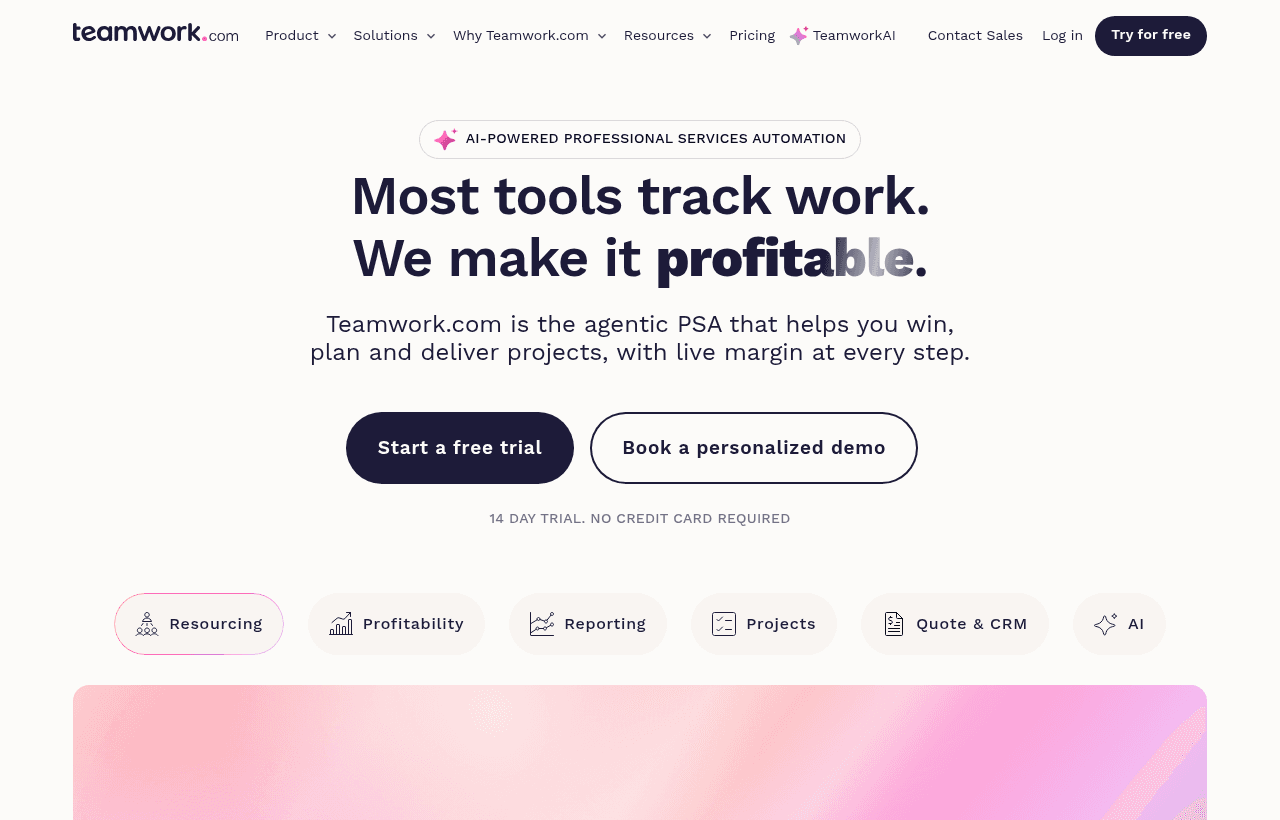
Price: Basics $9.99 per user per month billed yearly, Accelerate $24.99 billed yearly | Free plan: Yes, up to 5 users and 5 projects
Teamwork is project management first. The free plan has task, list, board, Gantt and table views, time logging, client organization and 100 automations. Basics adds unlimited templates and billable time tracking and reporting. Accelerate adds smart request forms, 20,000 automations, capacity planning, time budgets and retainers, and invoices built from logged time.
It is not a monitoring tool, so there are no screenshots to compare with Hubstaff. Basics costs about twice Hubstaff Starter per seat, but it replaces a project tool as well as a time tracker.
Pick Teamwork if you want one purchase for projects and time, for example at an agency.
Free Hubstaff alternatives
- Clockify: free for up to 5 users, with unlimited tracking, timesheets, reports and mobile and desktop apps.
- Everhour: free for up to 5 seats with time tracking, projects and tasks, reports and export.
- Teamwork: free for up to 5 users and 5 projects, with time logging and 100 automations.
- Toggl Track: free for a limited number of users, with timers, calendar integrations and personal reports.
Hubstaff's own pricing page lists a free 14-day trial rather than a free plan. Timely also offers a trial only. If you need a free tool for more than 5 people, none of the options above fits.
Cheapest Hubstaff alternative for a small team
Here is a 5-person team on the entry-level plan of each tool. Prices are per seat and billed yearly.
| Tool | Plan | Per month, 5 seats | Per year, 5 seats |
|---|---|---|---|
| Clockify | Free | $0 | $0 |
| Clockify | Basic ($3.99) | $19.95 | $239.40 |
| Hubstaff | Starter ($4.99) | $24.95 | $299.40 |
| Clockify | Standard ($5.49) | $27.45 | $329.40 |
| DeskTime | Pro ($6.42) | $32.10 | $385.20 |
| Hubstaff | Grow ($7.50) | $37.50 | $450.00 |
| Everhour | Team ($8.50) | $42.50 | $510.00 |
| Toggl Track | Starter ($9) | $45.00 | $540.00 |
Clockify Basic saves $60 a year over Hubstaff Starter for 5 seats. If you want invoicing, Clockify Standard still costs less than Hubstaff Grow, which is where Hubstaff adds invoices: $329.40 against $450 a year. Toggl charges $60 a month for the same 5 seats on monthly billing ($12 each), so annual billing matters.
How to choose
- You want the lowest price and have 5 people or fewer: use Clockify Free or Basic.
- You need screenshots and attendance for an office team: pick DeskTime.
- You bill by the hour and want profitability reports: pick Toggl Track Premium.
- Your tasks live in Asana, Jira or Trello: pick Everhour, with the 5-seat minimum in mind.
- Nobody remembers to start a timer: pick Timely.
- You also need a project tool: pick Teamwork.
FAQ
What is the best free alternative to Hubstaff?
Clockify. Its free plan covers up to 5 users with unlimited tracking, timesheets and reports. Everhour offers free tracking for up to 5 seats, and Teamwork is free for up to 5 users and 5 projects.
What is cheaper than Hubstaff?
Clockify Basic at $3.99 per seat per month billed yearly is cheaper than Hubstaff Starter at $4.99. Clockify Standard at $5.49 is also below Hubstaff Grow at $7.50, and it includes invoicing and time off.
Who are Hubstaff's main competitors?
The main ones are Clockify, DeskTime, Toggl Track, Everhour, Timely and Time Doctor. Teamwork competes when you also want project management in the same tool.
Is there a Hubstaff alternative with screenshots?
DeskTime includes screenshots on Premium at $9.17 per user per month billed annually. Hubstaff itself lists time tracking with screenshots as part of its productivity monitoring.
What is better than Hubstaff for freelancers?
Clockify and Toggl Track both have free plans and are simple to set up. Hubstaff makes more sense once you need payments, invoicing and monitoring for contractors in one place.
Prices checked on each vendor's pricing page in November 2026.
Still considering Hubstaff?
Claim the Hubstaff startup deal through SaaSOffers. Verified and free to access.
Claim Hubstaff deal